Buying A Historic Home In Northumberland Pennsylvania
May 21, 2026
May 21, 2026
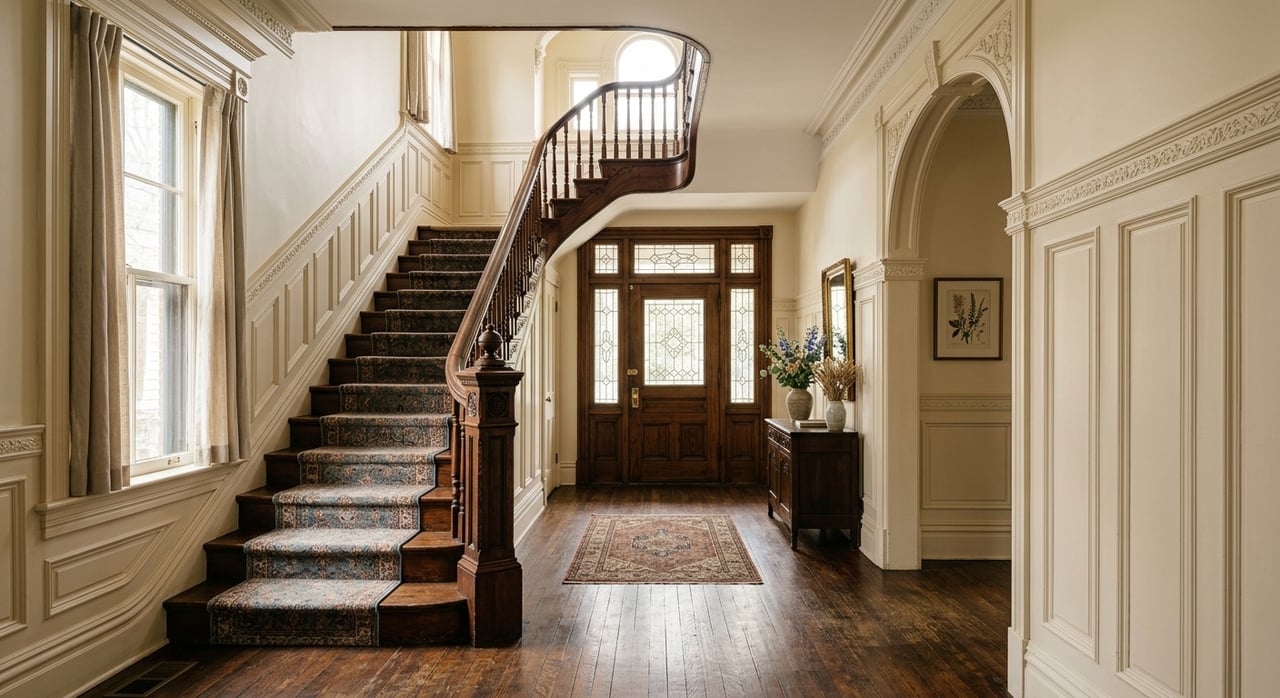
Thinking about buying a historic home in Northumberland, PA? You are not alone. With roots going back to 1772 and a borough landscape shaped by centuries of architecture, Northumberland offers the kind of character you simply cannot recreate in new construction. If you are drawn to old-house details but want to make a smart, informed purchase, this guide will help you understand what to look for, what to ask, and how to evaluate a historic property with confidence. Let’s dive in.
Northumberland’s historic housing stock is not just a small part of the local market. The borough says much of the community is part of the Northumberland Historic District, and local district survey materials identify 234 properties in the district, including 159 contributing buildings and one contributing site.
That means if you shop for older homes here, you are likely looking at a place where historic character is part of the town’s identity, not just an occasional feature. The borough’s history, including landmarks like the Joseph Priestley House, helps explain why older architecture remains so visible throughout Northumberland.
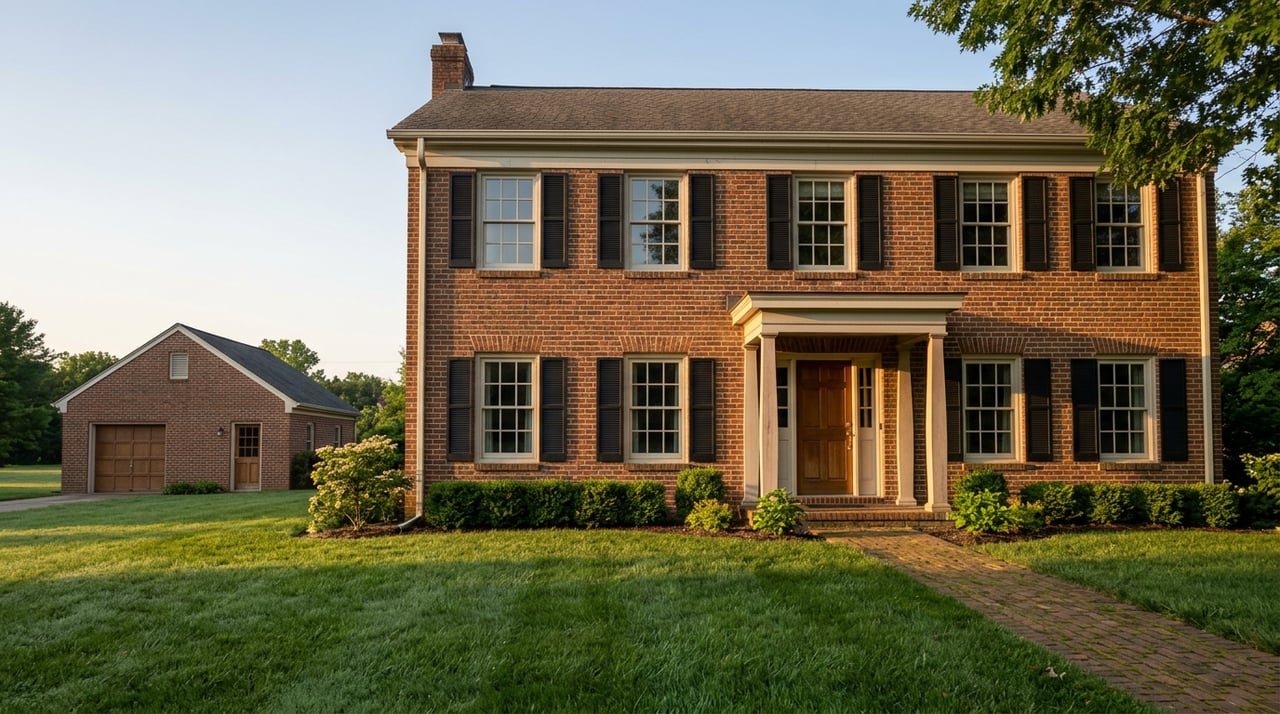
Northumberland includes a wide range of architectural styles from different eras. Borough historic materials describe Federal and folk houses from the late 18th and early 19th centuries, along with Classical Revival, Gothic Revival, Greek Revival, Italianate, Second Empire, Queen Anne, and Colonial Revival homes.
In practical terms, that means you may tour homes with very different looks and layouts even within a small area. Some pre-Civil War houses are two-and-one-half-story center-hall or side-hall homes, often built in brick or frame construction, with a few early stone or log buildings also present.
Because these homes span many decades, some properties may reflect more than one period of change. You might see an older original structure with a later porch, an addition from another era, or interior changes that happened over time.
One of the first things to understand is whether a home is simply old, listed in a historic district, or subject to local historic review. The Northumberland Historic District is listed on the National Register of Historic Places, but that listing by itself does not place federal restrictions on what a private owner may do with the property.
However, if a home is inside a locally designated historic district, Pennsylvania guidance says a municipality may require review and a Certificate of Appropriateness after district boundaries are certified through the Pennsylvania Historical & Museum Commission process. That is why it is smart to confirm a property’s status early, especially if you plan to make exterior changes.
With a historic home, cosmetic charm should never be your only focus. In Northumberland, older homes often deserve a more careful review of structure, systems, and long-term maintenance needs.
Northumberland’s joint comprehensive plan, using older census-based planning data, reported that nearly half of borough homes were built before 1940, with hundreds more dating to the 1940s and 1950s. That does not mean every older home has major issues, but it does support the idea that many properties need more than a quick surface-level inspection.
For older buildings, moisture is one of the biggest risks. The National Park Service says uncontrolled moisture is the most prevalent cause of deterioration in older and historic buildings.
When you walk through a home, pay close attention to basement dampness, signs of water staining, foundation moisture, masonry wear, and the way water moves away from the house. Roof drainage, gutters, downspouts, and grading all matter because poor water control can damage masonry, wood, and interior finishes over time.
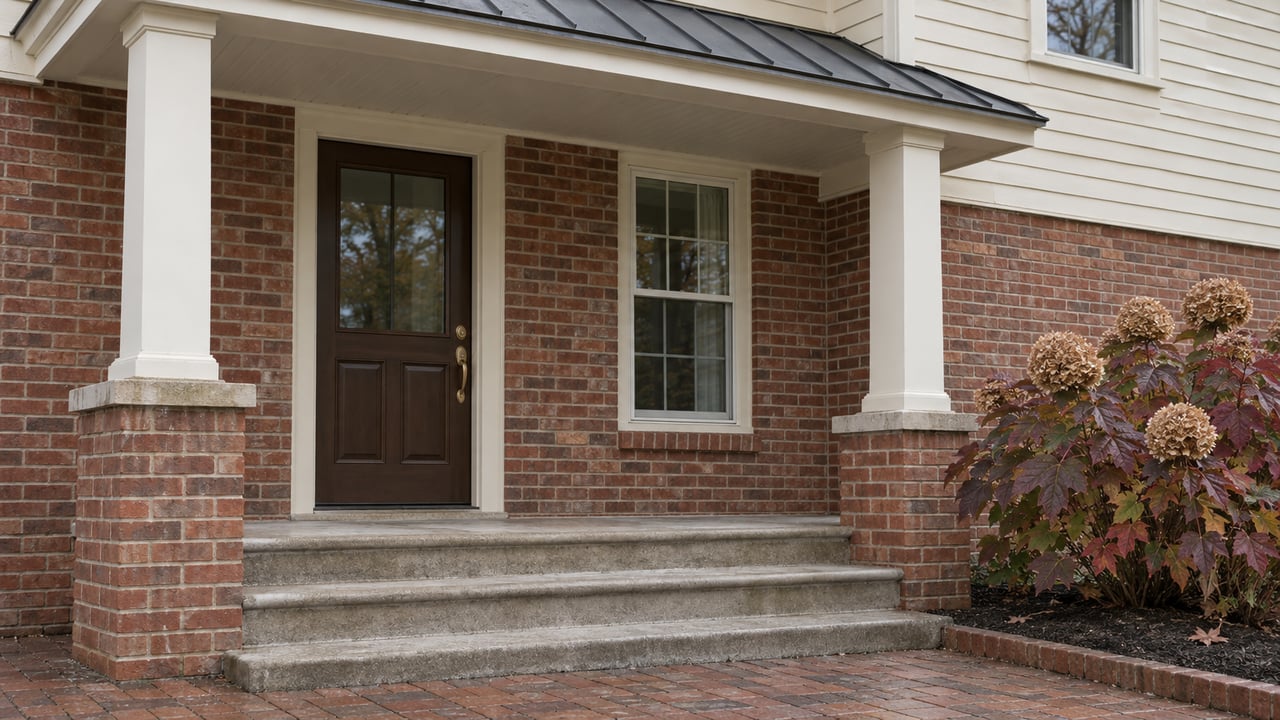
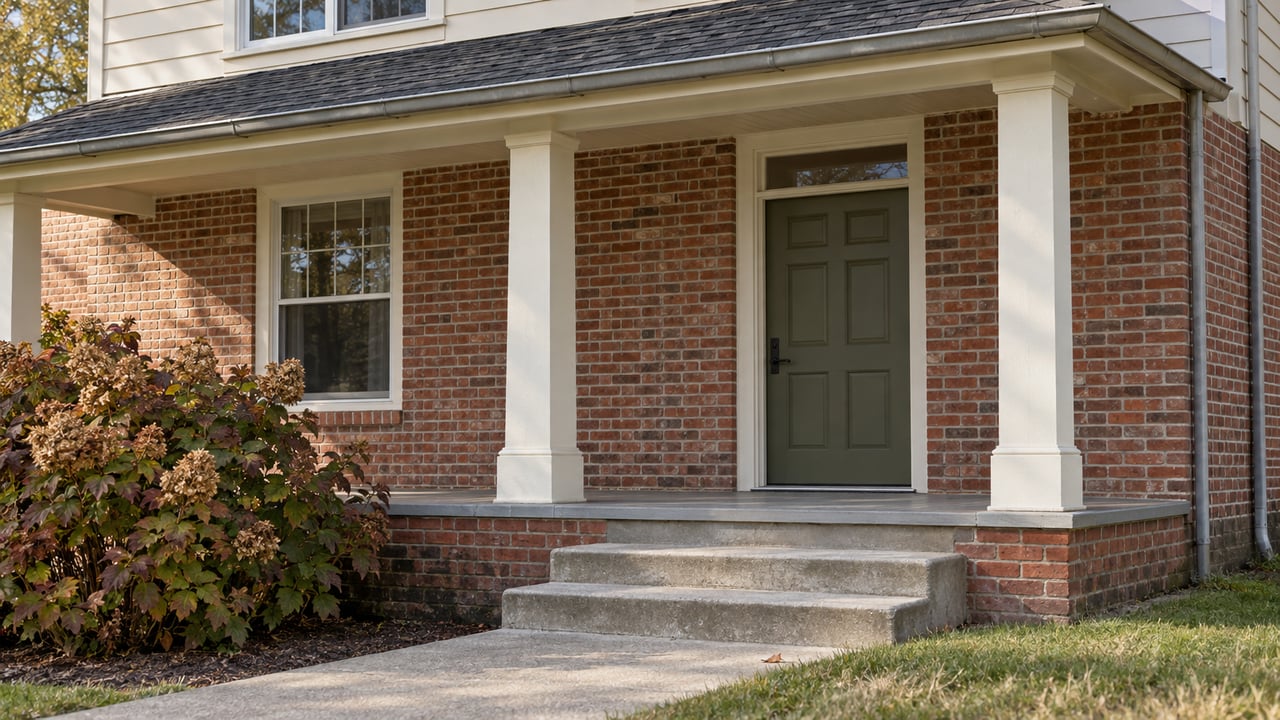
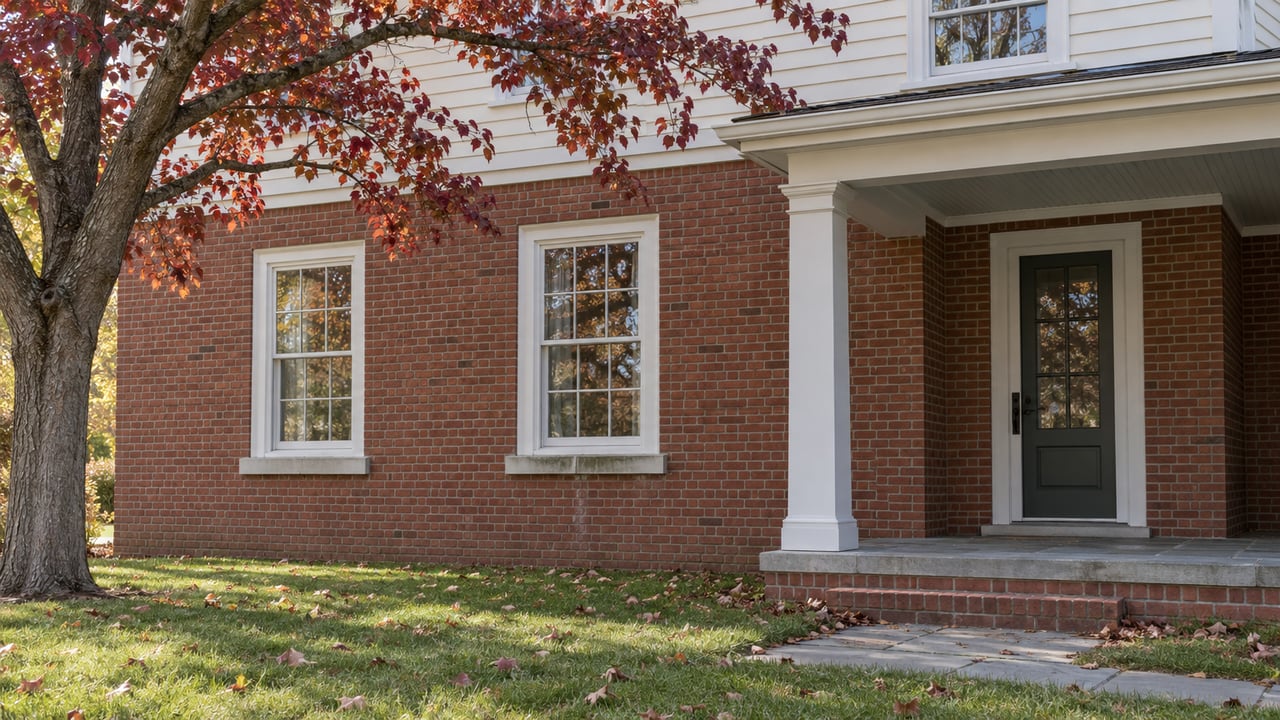
Older masonry often performs well for a long time, but it should still be checked for cracking, bulging, leaning, spalling, and mortar deterioration. Historic brick and stone are not maintenance-free, and repairs should be approached thoughtfully.
The same goes for old windows. Historic wood windows can often be repaired and maintained for many years, and replacement does not always deliver the energy savings buyers expect. If a home still has original windows, ask whether they are functional, weather-tight, and repairable.
Buyers often assume more insulation is always better, but old houses do not always behave like newer construction. The National Park Service cautions that blown-in insulation in historic wall assemblies can trap moisture and lead to hidden deterioration.
That is one reason many older-home improvement plans focus first on attic and basement insulation rather than jumping straight into wall cavities. If insulation has been added, ask what was done and whether the work fits the home’s age and construction style.
If you are buying a home built before 1978, lead-based paint is a practical concern. The EPA says older homes are more likely to contain lead-based paint, including a large share of homes built before 1940.
Northumberland’s comprehensive plan also notes that older, pre-code housing can involve concerns such as lead pipes or asbestos. That does not mean every property has these issues, but it does mean you should take renovation plans seriously and ask the right questions before closing.
Northumberland’s location at the confluence of the North and West Branches of the Susquehanna River adds another layer of due diligence. If you are considering a property near river-adjacent areas, check floodplain status and ask about drainage history.
The borough code includes a historic-structures provision for floodplain repairs and rehabilitation, with any exemption limited to the minimum needed to preserve historic character. For a buyer, that means flood-related rules and historic considerations can overlap, so it is important to understand both before you commit.
A historic home purchase usually goes more smoothly when you ask detailed questions early. The goal is not to find a perfect house. The goal is to understand what you are buying.
Here are a few useful questions to bring into showings, inspections, and follow-up conversations:
For permit and code history in Northumberland, the borough directs code and permitting inquiries to NEIC. That makes local permit records an important part of your due diligence.
Many buyers worry that an older home will be harder to value. In reality, age alone is not the whole story.
Appraisal guidance shows that condition, structure, upgrades, foundation, and other physical characteristics all matter. Effective age is also shaped by condition and renovations, not just by the year a house was built.
That means an 1880s home with well-maintained systems and thoughtful updates may compete very differently from another house of the same era that has deferred maintenance. In Northumberland, value is more likely to reflect condition, quality of updates, comparable sales, and any preservation or flood-related constraints than age by itself.
A historic home can offer warmth, craftsmanship, and a sense of place that many buyers love. At the same time, these homes reward buyers who stay curious, ask better questions, and plan for stewardship as much as ownership.
If you are buying in Northumberland, it helps to work with a local real estate team that understands older housing stock, pricing logic, and property-specific factors like condition, permits, and floodplain context. When you go in with clear expectations, a historic home can be both a rewarding lifestyle choice and a sound purchase decision.
If you are considering a historic home in Northumberland and want practical local guidance, connect with Scott M. Mertz for clear advice grounded in Central Pennsylvania market knowledge and valuation expertise.

Connect with CENTURY 21 Mertz & Associates today to explore homes, investment opportunities, and expert guidance in Danville and Lewisburg. Let our local team help you achieve your real estate goals.