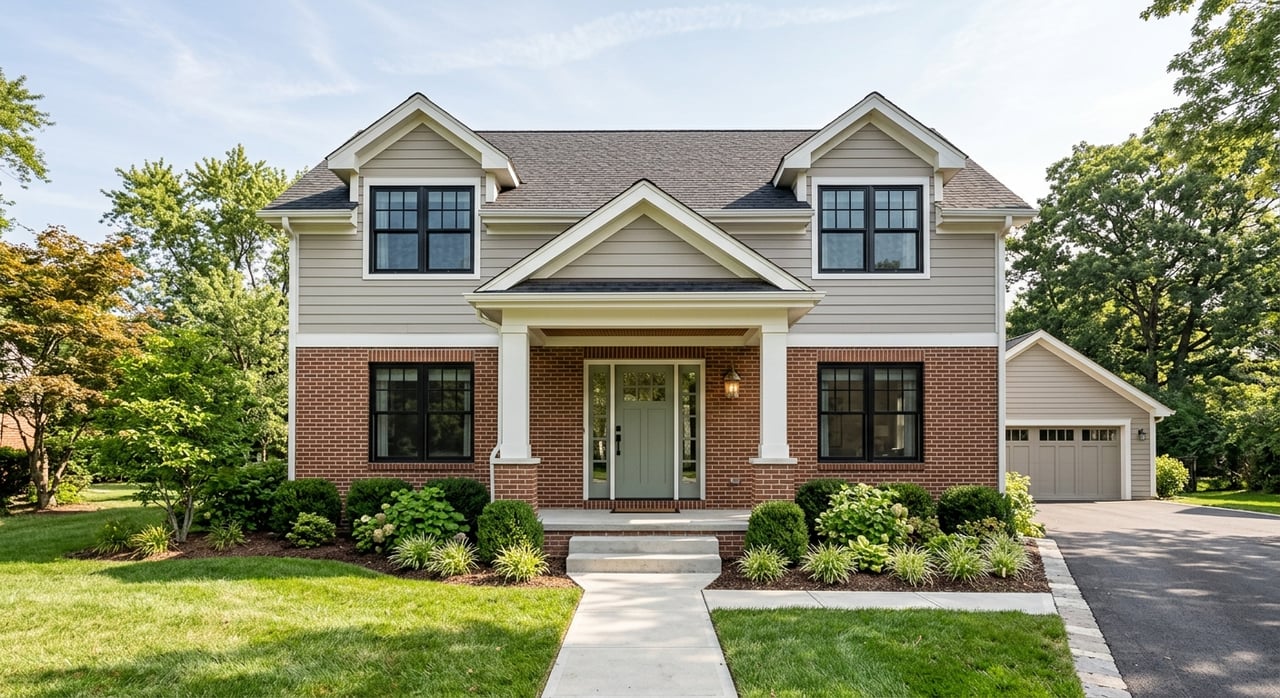
Step-By-Step Guide To Selling A Home In Montour County
June 11, 2026
June 11, 2026
Selling a home can feel simple from the outside until you are the one choosing a price, filling out disclosures, cleaning up the property, and waiting to see how buyers respond. If you are planning to sell in Montour County, you want a process that feels clear, realistic, and well managed from day one. This step-by-step guide walks you through what to expect, what to do before you list, and how to move from pricing to closing with more confidence. Let’s dive in.
The first step in selling your home is setting a price that fits the current Montour County market. Public data points offer a mixed picture in spring 2026, which is a good reminder not to rely on one headline number alone.
One source reports an average home value of $274,614 and homes going pending in about 15 days, while another reports a median 29 days on market and a sale-to-list ratio of about 100%. A third source shows a median sold price of $289,142 and average days on market of 75. Because these numbers use different methods and time frames, the safest move is to base your list price on a local comparative market analysis.
In Pennsylvania, a comparative market analysis and a broker price opinion are both recognized market-based valuation tools. They can take into account your home’s condition, location, and comparable recent sales. In a market that is neither strongly tilted toward buyers nor sellers, careful pricing matters even more.
If you price too high, you may lose early momentum and attract fewer serious buyers. If you price too low, you may leave money on the table. A strong pricing strategy aims to create interest while staying grounded in what buyers are actually paying in your part of Montour County.
For many sellers, this is where local valuation experience becomes especially valuable. A pricing approach built around recent comparable sales, property condition, and current competition is usually more useful than broad county averages.
Most homes benefit from some work before they hit the market. That does not always mean a full remodel. It usually means making the property look well cared for, functional, and ready for buyers to tour.
Common pre-listing expenses can include staging, carpet cleaning, interior painting, landscaping, and general repairs. Small updates can help buyers focus on the home itself instead of a to-do list.
Start with items that improve first impressions and everyday function. Many sellers begin with:
Your goal is not perfection. Your goal is to present a home that feels clean, maintained, and easy for buyers to understand.
Prep work is only one part of the selling budget. Sellers should also expect closing costs, fees, taxes, and often commission expenses. Building a realistic budget early can help you avoid surprises later.
If your sale involves a covered Pennsylvania transfer of a residential property with one to four dwelling units, you will usually need to complete a seller disclosure form before signing the agreement of transfer. This is one of the most important steps in the process.
The disclosure form covers known material defects in areas such as the roof, basement or crawl space, termites, structural issues, additions and remodeling, water and sewage systems, plumbing, heating and air conditioning, electrical systems, included appliances, drainage, hazardous substances, homeowners association matters, and legal or title issues.
You are generally required to disclose known material defects. If a required item is unknown or unavailable, Pennsylvania law allows you to provide the best information available to you at the time.
If something changes before final settlement and your disclosure becomes inaccurate, you must notify the buyer. The disclosure may be amended before signing the agreement of transfer.
No. If your sale is one of the covered residential transfers under Pennsylvania law, known material defects still need to be disclosed. The law includes some specific exceptions, but there is no blanket exception just because a property is being sold as-is.
Pennsylvania requires a seller’s agent to advise you about disclosure responsibilities and provide the disclosure form. At the same time, the seller remains responsible for completing the form truthfully and updating it if needed.
Pennsylvania law also says a seller’s agent must be loyal to the seller and make a continuous good-faith effort to find a buyer. In general, the agent does not have to independently inspect the property or verify the seller’s statements unless that is separately agreed to.
Once pricing and prep are in place, the next step is putting your home on the market. This is where presentation and timing start working together.
A well-prepared listing should show buyers what makes your property stand out while staying realistic about condition and price. Clear photos, accurate remarks, and a smart launch strategy can help your home make a stronger first impression.
One of the biggest mistakes sellers make is expecting a guaranteed timeline. In Montour County, available market data points in different directions, with homes reported as going pending in about 15 days by one source, 29 median days on market by another, and 75 average days on market in a sold-data snapshot from another.
That means your actual timeline may depend on several factors, including price, property condition, buyer financing, inspections, repairs, and title work. It is better to plan for flexibility than to assume a countywide average will apply to your home.
Once offers come in, the highest number is not always the best outcome. You also need to weigh financing terms, contingencies, requested closing dates, and the overall likelihood of getting to settlement.
A clean offer with fewer hurdles can sometimes be more attractive than a stronger price with more risk. Your job is to compare the full picture, not just the headline amount.
When reviewing offers, pay attention to:
A balanced review can help you choose the offer that best matches your goals and your comfort level.
After you accept an offer, the transaction usually moves into inspections, title work, and lender-related steps. This is often where the deal becomes more detailed.
In Pennsylvania, a home inspection report must be in writing and describe the scope of the inspection and any material defects found. The report is meant to evaluate the home’s visible and apparent condition. It is not an appraisal.
Inspection findings can lead to more negotiation. A buyer may ask for repairs, request a credit, or try to adjust the timeline.
As the seller, you can review those requests and decide how to respond based on the contract, the condition of the home, and your priorities. In some cases, you may agree to repairs. In others, you may offer a credit or decline the request.
Yes. In Pennsylvania, the seller can request a copy of the inspection report from the client for whom it was prepared. That can be helpful if you are trying to understand the buyer’s concerns more clearly.
Closing is the formal legal transfer of the property. This is the point where ownership changes hands, mortgages tied to the property are paid off, and you receive the net sale proceeds.
Closing usually takes place at the buyer’s title insurance office. You may not always need to attend in person if pre-signing is allowed.
For many sellers, closing costs are one of the biggest sale-related expenses. Sellers may face commission costs, fees, and taxes, and exact amounts can vary.
In Pennsylvania, the state realty transfer tax is 1% of the value of the real estate transferred. The state also notes that an additional local realty transfer tax is often collected, so it is important to confirm the exact transfer-tax amount for the property’s municipality before settlement.
Montour County also records deeds through the Recorder of Deeds. The current county fee schedule shows a base deed recording fee of $72.75, with small added charges possible for extra pages, names, or tracts.
Buyers are generally allowed a final walk-through about 24 hours before closing. The purpose is to confirm that the home is vacant and in the condition required by the contract, including any agreed repairs.
If the walk-through reveals a problem, the buyer may ask for money to address it or delay closing. That is why it helps to finish agreed repairs on time, remove personal property as required, and leave the home in the expected condition.
If you want the process in a simple order, here is a practical roadmap:
Selling a home in Montour County is easier when you have a clear plan and local guidance you can trust. From pricing and prep to disclosures, negotiations, and closing, each step affects your final result. If you are thinking about selling and want practical advice backed by local market knowledge and valuation experience, connect with Scott M. Mertz for a free home valuation.



Connect with CENTURY 21 Mertz & Associates today to explore homes, investment opportunities, and expert guidance in Danville and Lewisburg. Let our local team help you achieve your real estate goals.